There's no single 'best' paddle — only the best paddle for you. A plain-English guide to weight, core, surface, and shape, plus what to buy at each level.
Ask ten players for the best pickleball paddle and you'll get ten answers — because the honest one is 'it depends on you.' The right paddle matches your level, your body, and your style. Here's how to cut through the marketing and choose well, without overspending on features you won't feel yet.
Weight: the property you'll notice most
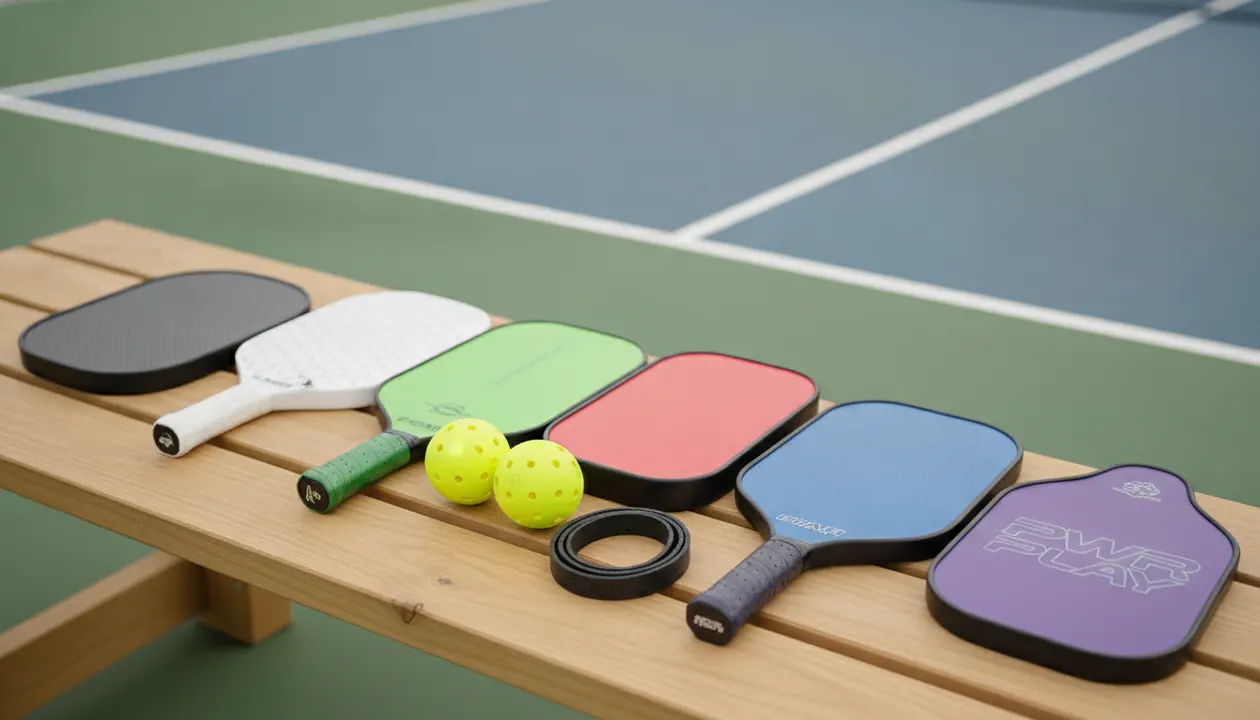
Paddles run roughly 7.3 to 8.5 ounces. Lighter paddles give you control and fast hands at the net but ask more of your arm for power; heavier paddles deliver easy power and stability but can feel sluggish and fatigue you. Most players — and nearly all beginners — are happiest with a midweight paddle around 7.8 to 8.0 oz, which balances the two.
Core and surface: where the 'feel' comes from
- Core thickness: thicker cores (16mm) are softer, more forgiving, and better for control; thinner cores (13mm) add pop and power but shrink the margin for error.
- Core material: polypropylene honeycomb is the standard for good reason — quiet, soft, and controllable.
- Surface: fibreglass surfaces add power and a livelier response; carbon fibre / raw carbon surfaces add control and spin. Beginners usually prefer the forgiveness of a control-oriented face.
Shape and grip
A standard-shape paddle has the largest, most forgiving sweet spot — exactly what you want while you're learning. Elongated paddles add reach, power, and spin but demand precision, so they suit experienced players. Grip size matters more than people expect: too large a grip causes an unstable stroke and can bring on tennis elbow. When in doubt, size down — you can always add an overwrap, but you can't shrink a grip.
A rough guide by level
- Beginner: a midweight (7.8-8.0 oz), 16mm, standard-shape control paddle. Forgiving and affordable — you do not need a $250 paddle to start.
- Intermediate: match the paddle to your emerging style — a bit thinner or a carbon face if you want more pop and spin, once your fundamentals are solid.
- Advanced: elongated shapes, thinner cores, and premium raw-carbon faces start to pay off — at this point you can feel the differences and it's worth demoing several.
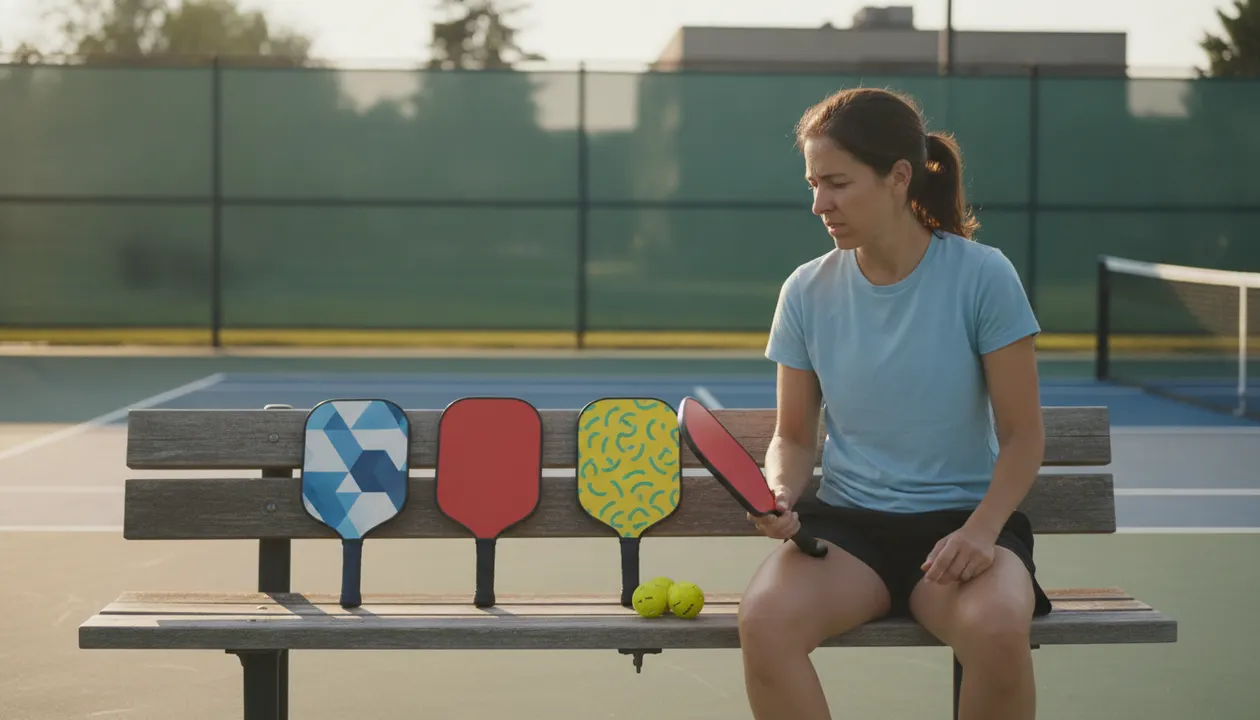
The single best way to choose a paddle is to hit with a few. Spec sheets tell you almost nothing about how a paddle feels in your hand.
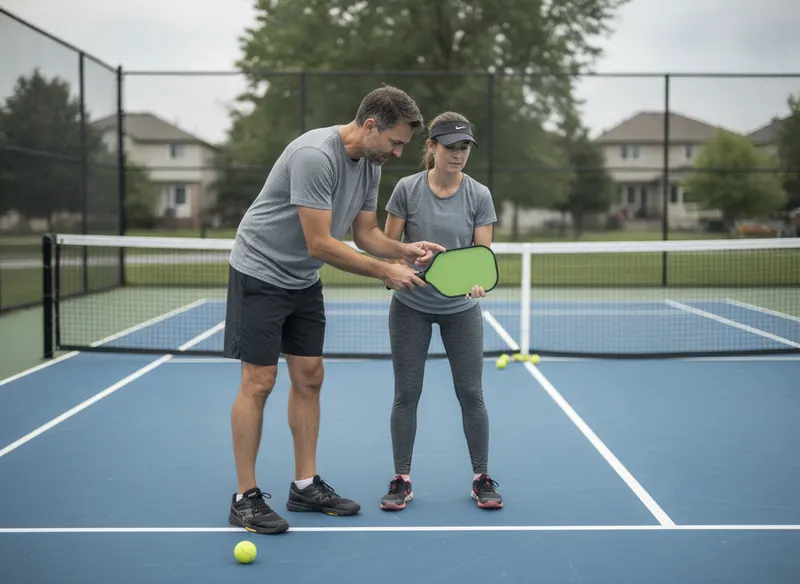
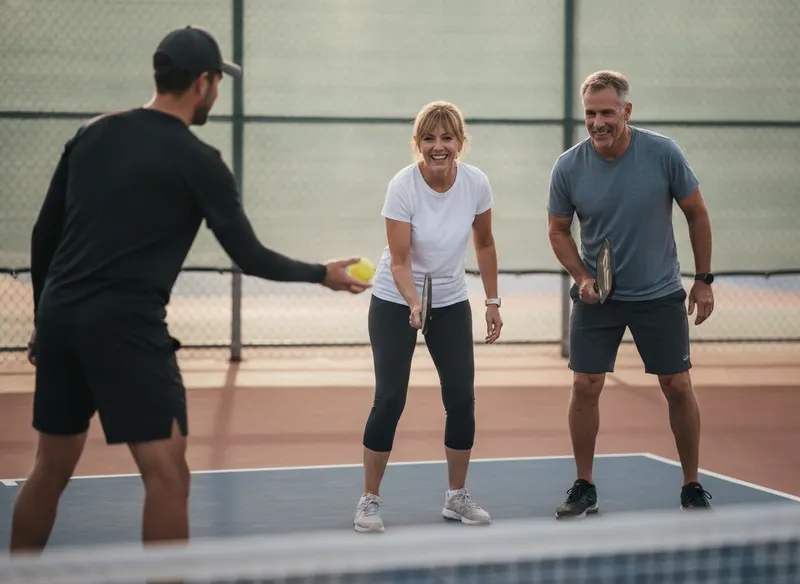
That's exactly why we bring a range of loaner paddles to every lesson — trying several weights, cores, and shapes over a few sessions teaches you more than any review, and we'll give you honest, brand-neutral advice before you spend a dollar. Book a first private lesson or start with the beginner Learn-to-Play program and test-drive a few.
References
- Selkirk Sport — How to Choose Your Perfect Pickleball Paddle: 10 Key Factors
- Selkirk Sport — The Ultimate Guide to Pickleball Paddle Construction (cores & surfaces)
- Selkirk Sport — Paddle Performance Guide: Power, Control, or All-Court
- USA Pickleball — Equipment Standards Manual (paddle specifications, PDF)
This article is general educational information, not professional, medical, or purchasing advice. External links are provided for reference; Vaughan Pickleball Tutor is not affiliated with and does not endorse any third-party brand or organization listed.