Pickleball video analysis explained — why film reveals what memory hides, how to record your own matches properly, and when a coached breakdown pays off.
Pickleball video analysis sounds like something for sponsored pros, but it might be the highest-leverage improvement tool available to ordinary club players — because it attacks the one problem practice can't: you cannot see yourself play. Every player carries a mental highlight reel of their own game, and that reel is wrong in predictable ways. The camera doesn't negotiate. Here's why film works so well, and how to use it whether you DIY or get a coached breakdown.
Why memory lies and footage doesn't
After a match you remember the spectacular winner and the net cord that robbed you. You do not remember that eleven of your forehand drives sailed long from the transition zone, or that every deep return to your backhand ended the rally within three shots. Memory stores the exceptional; improvement lives in the repeated. Film flips that — the boring, recurring pattern you'd never notice becomes impossible to miss by the third occurrence. Almost every player who watches themselves for the first time says the same two things: "I stand way further back than I thought" and "I never knew I did that."
What film reveals, in order of value
- Patterns — the same situation losing you a point every fourth rally. This is where matches are actually decided, and it's invisible from inside the game.
- Shot selection — the drives you chose when a drop was on, the speed-ups from below the net. At most levels, decisions lose more points than technique does.
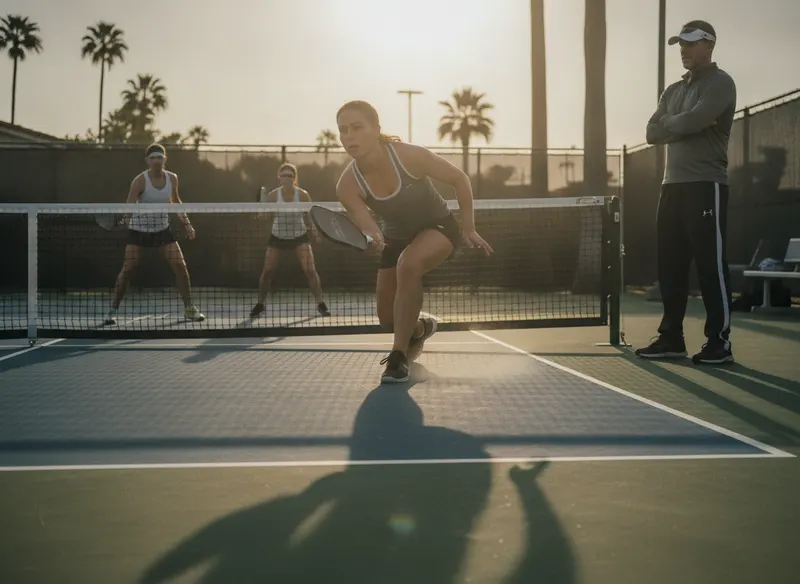
- Positioning — how far from the kitchen line you really stand, and how often you're caught mid-court in no-man's land.
- Technique — paddle preparation, contact point, footwork at the moment of the stroke, best reviewed in slow motion.
How to record your own game properly
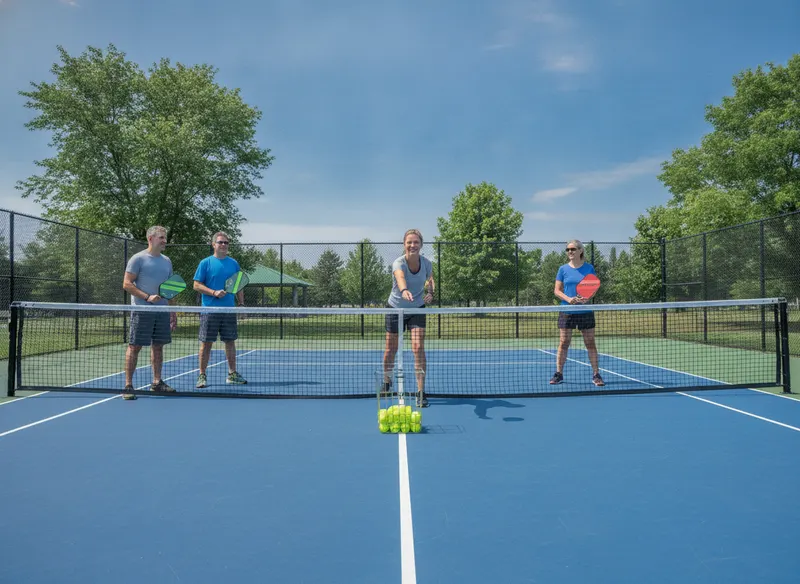
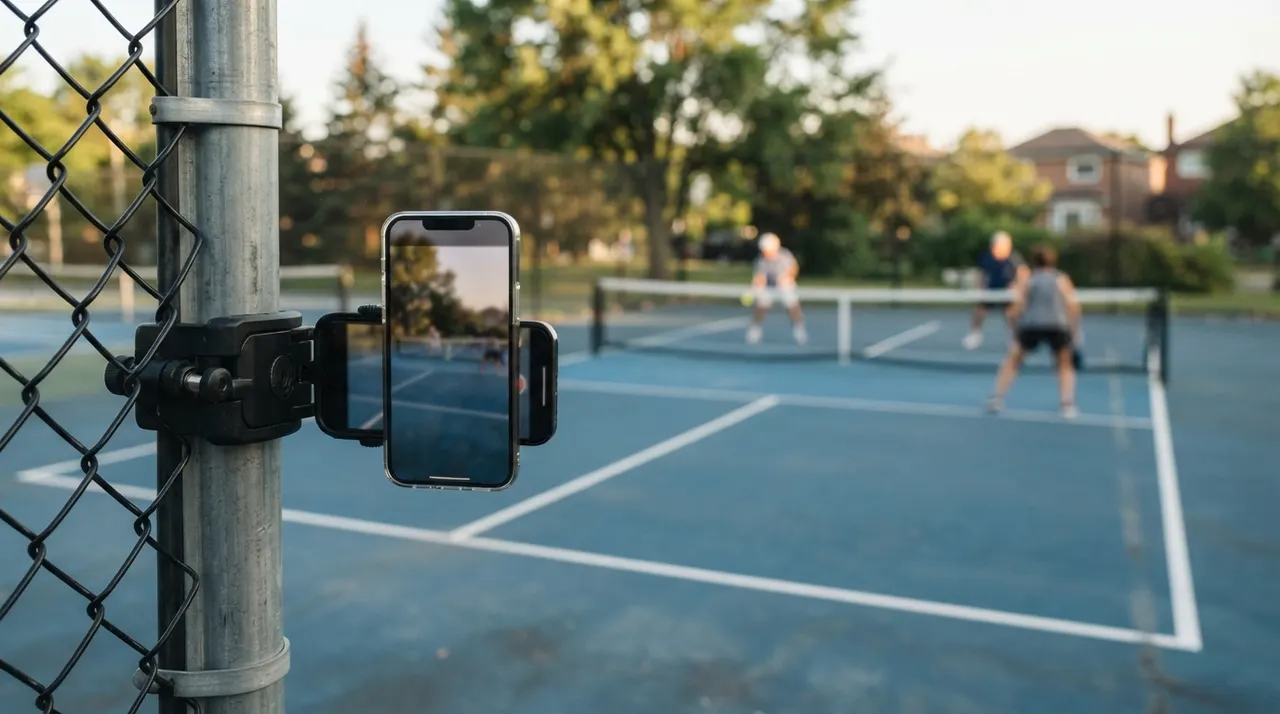
You need three things: the full court in frame, a stable mount, and height. A phone strapped to the fence behind the baseline with a cheap fence mount, held a couple of metres up, captures everything that matters — no gimbal, no editing. Film full games, not drills; you're hunting the decisions you make under pressure, and drills don't produce those. Then watch with a job, not vibes: pick one question per viewing ("where am I standing when points end?", "what happened on every third shot?") and tally it. Twenty minutes of directed watching beats two hours of passive replay. One more thing: film an ordinary session, not your best day — you're diagnosing the game you actually bring to league night, and a performance for the camera defeats the purpose.
Practice makes permanent, not perfect — and film is how you find out what, exactly, you've been making permanent.
The three self-filming mistakes to avoid
First: filming from courtside at ground level, which hides the one thing film shows best — positioning and depth. Get the camera up and behind. Second: recording everything and reviewing nothing; one filmed session properly studied beats five sitting unwatched on your phone. Third: fixing whatever you noticed first instead of whatever repeats most. The pop-up you hit in game two is memorable; the fact that you never fully arrive at the kitchen line is the finding. Rank by frequency, not by embarrassment.
DIY review vs a coached breakdown
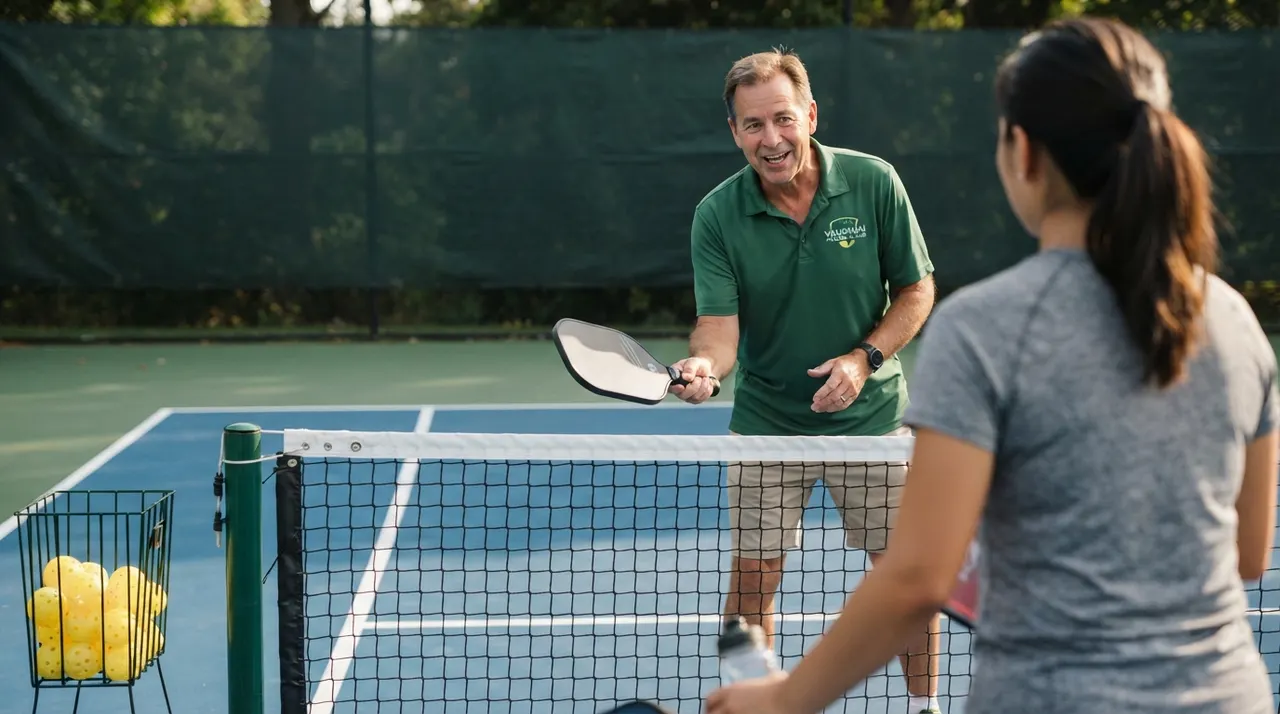
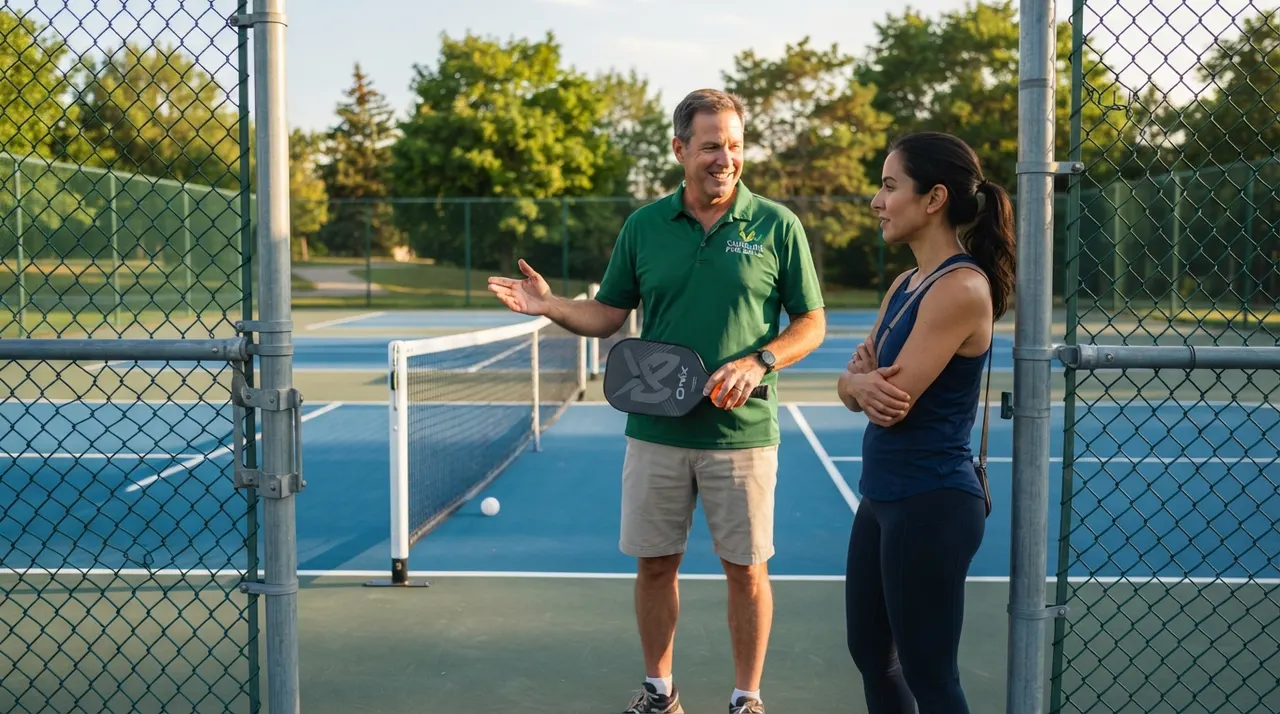
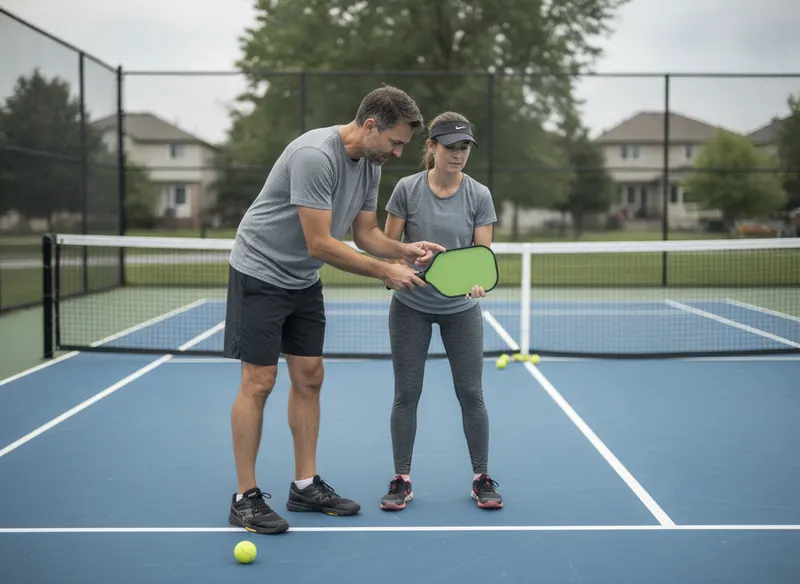
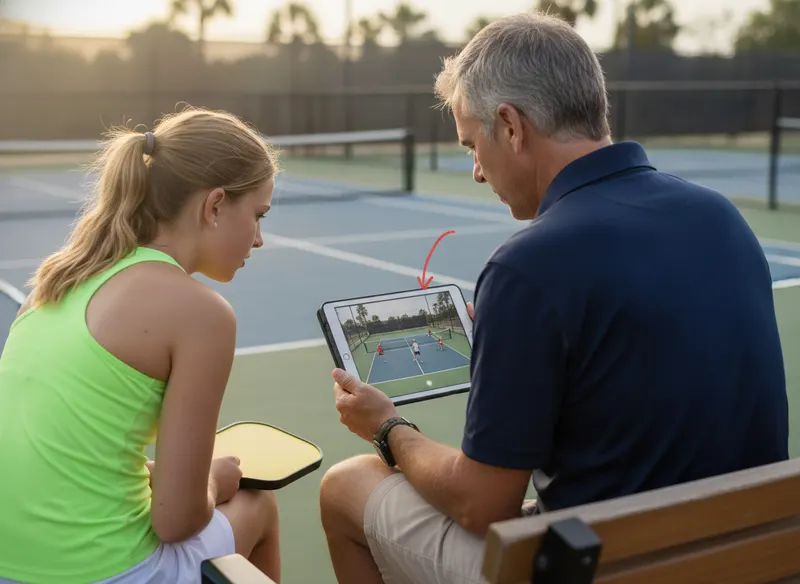
Self-review catches the obvious: positioning, the ready-position lapses, the standout errors. What it misses is diagnosis and priority — you can see that your third shot pops up, but not that the cause is your grip pressure, or that fixing it matters more than the flashier problem you noticed first. That's what a coached review adds: our pickleball video analysis service films your real match play (or takes footage you already have), tags every rally frame by frame, and returns an annotated video plus a written plan ranking your highest-impact fixes with a drill for each. Most players' plans center on the transition game — if yours does too, the third-shot drop is where the work usually starts, and pairing film with targeted practice is the tightest improvement loop in this sport. It also answers the eternal question of how long getting good actually takes with your own data instead of guesswork: re-film in six weeks and measure it.